Fixed vs. Removable Retainers
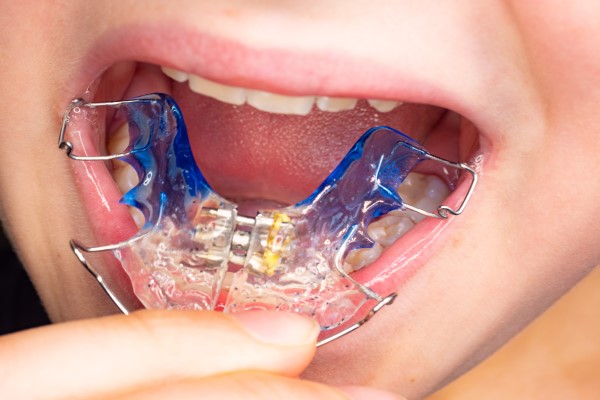
After orthodontic treatment, retainers keep teeth from drifting back toward their original positions. A fixed retainer is a thin wire bonded behind the front teeth, usually canine to canine. Because it stays in place, it provides continuous support for alignment, especially in areas that have crowding or spacing. Patients brush carefully around the wire and use floss threaders or interproximal brushes to clean between teeth and under the retainer.
What removable retainers are
Patients can take the removable retainers out for eating, brushing, and special occasions. Two common designs include clear, tray-style retainers and acrylic-and-wire Hawley retainers. Clear trays are low-profile and cover the teeth like aligners, while Hawley retainers rest against the palate or behind the lower teeth and use a front wire to hold them in place. Because these retainers can be misplaced or left out, consistent wear according to the orthodontist’s schedule is essential to maintain results.
How to choose between fixed and removable
Both fixed and removable retainers work well when used as directed. The right approach depends on tooth movement risk, hygiene habits, and lifestyle goals. Patients can choose fixed retainers for round-the-clock stability after significant crowding correction or spacing closure. However, patients can also choose clear trays when a discreet look and easy replacements matter.
Hawley retainers can be ideal for durability, minor bite refinements, and adjustable components. Combine options, such as fixed on the lower front teeth and removable on the upper teeth, when extra support or flexibility is helpful. Patients who have no trouble flossing will do better with fixed retainers. However, other patients prefer the removable retainers.
In some cases, a patient may need to wear a retainer for life. A short conversation and exam help match retainers to individual needs while supporting consistent, healthy routines.
Care and longevity of retainers
Good care extends the life of any retainer and protects oral health. For fixed retainers, brush along the wire daily, and floss with threaders to remove plaque between teeth. Schedule regular cleanings so a dental professional can check the bonding and polish hard-to-reach areas. For removable retainers, rinse after removal, brush gently with a soft brush and cool water, and use nonabrasive retainer cleansers as directed. Keep trays or Hawley retainers in a ventilated case, as heat can warp plastic, and napkins often lead to accidental disposal. If a retainer cracks, loosens, or no longer fits snugly, contact the orthodontic office promptly to prevent tooth movement.
Schedule a consultation
Retainers are the final step that protects orthodontic results for years to come, and a tailored plan helps maintain comfort, hygiene, and daily convenience. An orthodontist evaluates tooth stability, bite relationships, and home-care habits to recommend fixed, removable, or combination retainers that fit your goals. Ongoing wear, paired with routine checkups, preserves alignment and reduces the chance of future touch-ups or relapse. For more information or to schedule an appointment, call our office.
To schedule a consultation, please request an appointment on our website at https://universalcity.ucsmilesortho.com or call UC Smiles Orthodontics at (210) 593-7623 to arrange an appointment at our Universal City office.
Check out what others are saying about our services on Yelp: Read our Yelp reviews.
Related Posts
Having an orthodontist treat your teeth can be a long and sometimes difficult journey, but seeing the result of a perfect smile is worth it. But after your braces are removed, it is important to remember that your teeth care does not end there. To ensure that your new smile stays healthy and beautiful, a…
Space maintainers are oral appliances primarily used on children to hold the space of baby teeth that fall out prematurely. There are a number of things that can lead to a child’s tooth falling out prematurely, like genetics, trauma, or tooth decay.Losing a baby tooth prematurely can have serious consequences. Milk teeth serve an important…
Clear braces offer a more discreet way to straighten teeth while still delivering the consistent control of bracket-and-wire orthodontics. Many patients like that the brackets blend into the smile, which can feel more comfortable for photos, school, and professional settings. Even with a subtle look, treatment still follows a detailed plan to improve alignment and bite…
Phase Two orthodontics is the second stage in comprehensive orthodontic treatment, typically following an initial intervention known as Phase One. The primary objective of Phase Two orthodontics involves perfecting alignment, correcting bite issues, and achieving optimal aesthetics and function. Patients often undergo Phase Two orthodontics during adolescence, once most permanent teeth have emerged, allowing for…